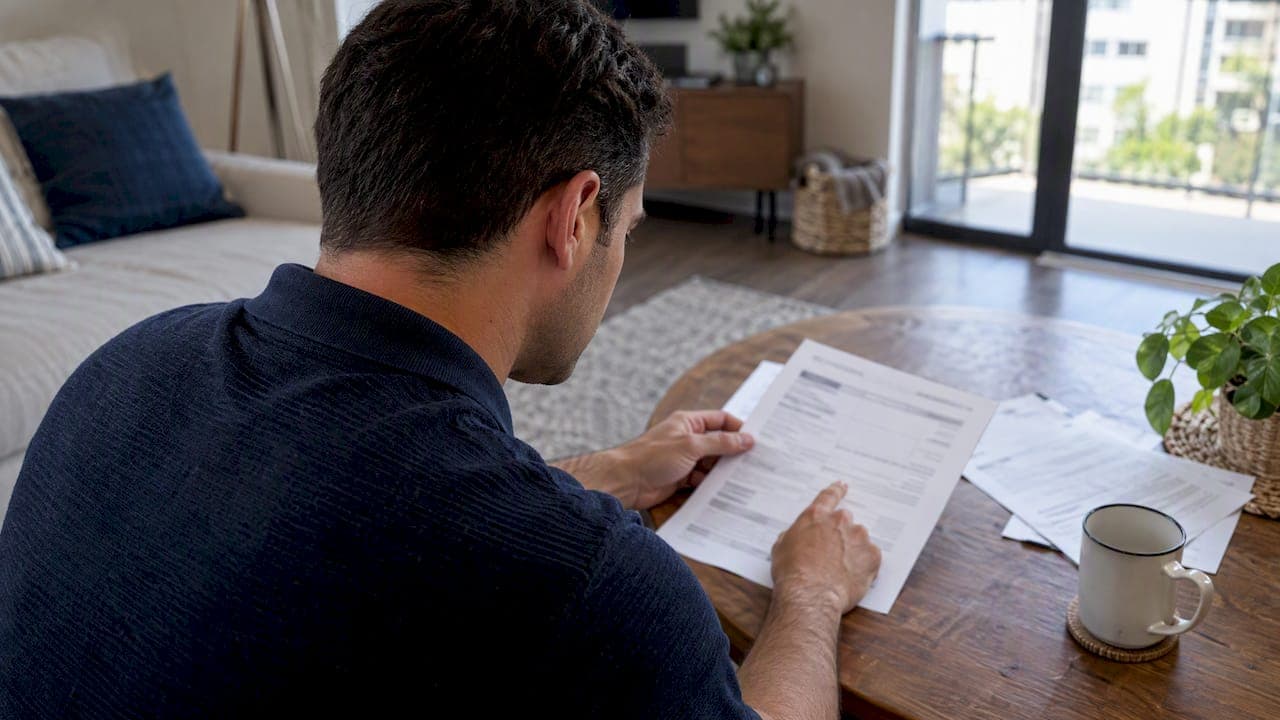
If your closing date is within a few weeks or your approval is sensitive to payment increases, locking your rate is generally advisable. If your closing is further out and you can absorb some risk, floating with a clear trigger point may make sense. A mortgage rate lock typically runs 30 to 60 days, your Loan Estimate shows its status, and while locking protects you from rate increases, it also means missing out if rates fall, and extending it past its term can cost you money.
TL;DR:
- Borrowers closing within 45 days should lock; those with longer timelines can float only if they can absorb rate increases.
- On a $400,000 loan, a 25 basis point rate increase adds about $66 monthly; compare that cost with your approval headroom before floating.
- A lock usually lasts 30, 45, or 60 days, and can be voided by changes to loan amount, loan program, credit score, or income records.
- Initial locks often cost nothing separately, but extensions may incur points or a loan percentage; get the exact fee and terms in writing.
- Check page one of your Loan Estimate for lock status and expiration, and request an updated copy whenever the lender changes, extends, or renegotiates terms.
Table of Contents
- What a Mortgage Rate Lock Is and What Keeps It Valid
- How Long Locks Typically Last and Who Pays for Them
- Float-Downs and Extensions: How They Work and When They're Worth It
- When to Lock: A Practical Decision Framework
- Reading the Loan Estimate and the Exact Questions to Ask Your Lender About Locks
- Practical Pre-Lock Checklist and Immediate Next Steps
- How Lending Bankers Mortgage Supports Borrowers on Lock Decisions
- A Clear Default for Most Borrowers
- Ready to Lock In Your Rate With Confidence?
- FAQ
- Sources
What a Mortgage Rate Lock Is and What Keeps It Valid
A rate lock freezes your interest rate for a set period, usually 30, 45, or 60 days, as long as you close within that window and nothing material changes about your application. This protection is contingent, not permanent. If you change your loan amount, switch loan programs, or see a meaningful shift in your credit score or income documentation, your lender can void the lock and reprice your loan.
Your Loan Estimate is the document that confirms whether your rate is locked and when that lock expires. Page one shows this information clearly, and it is worth checking every time you receive an updated version. Regulatory guidance requires lenders to issue a revised Loan Estimate when you negotiate a rate lock or an extension after the original LE was issued, so if your lender adjusts your lock terms at any point, ask for that updated paperwork in writing.
How Long Locks Typically Last and Who Pays for Them
Most lenders offer lock windows of 30, 45, or 60 days, matched to how long your closing is expected to take, so it’s ideal to get preapproved 30–60 days before house hunting. Some lenders extend that to 90 or 120 days for borrowers who need more runway, though longer windows usually carry a cost built into the rate or charged upfront.

Initial locks are frequently included in your quoted pricing at no separate charge. Extensions, on the other hand, are often billed separately, typically as a fraction of a point or a percentage of your loan amount, and the exact figure varies by lender.
Float-Downs and Extensions: How They Work and When They're Worth It
A float-down lets you capture a lower rate one time if market rates drop significantly after you lock, without giving up your protection against increases. Lenders set their own trigger thresholds, often requiring rates to fall by a specified number of basis points before the float-down applies, and these terms vary enough that you should confirm them before assuming you are covered.
Float-downs tend to be worth accepting when your lock window is long enough to realistically see that kind of movement, when the trigger threshold is reasonable rather than so steep it rarely activates, and when you are not floating through a major scheduled economic release that could just as easily push rates higher. In practice, paying a modest fee for an extension is often cheaper than letting a lock expire and repricing in an uncertain market, so ask your lender to compare both costs side by side before you decide.

When to Lock: A Practical Decision Framework
The clearest way to decide is to match your lock length to your actual days-to-close, then check whether any major economic releases fall inside that window.
- Under 30 days to close: lock immediately. There is little upside to floating this close to closing.
- 30 to 45 days to close: lock. This is the default posture for most borrowers in this range.
- 45 to 60 days to close: lock, and consider a float-down if your lender offers reasonable terms.
- Over 60 days to close: floating with a defined trigger point can make sense if you are comfortable with some risk.
One basis-point shift can matter more than it sounds: each 25 basis points of rate change adds roughly $66 a month on a $400,000 loan, which compounds to tens of thousands of dollars over a 30-year term. Use a mortgage calculator to run this math against your own loan size before deciding.
Before you float through any window, check the economic data calendar. Reports on inflation (CPI), employment, and Federal Reserve announcements are the biggest single-day movers for mortgage rates, and floating through one of these releases means accepting the chance of a sudden, unfavorable swing.
Reading the Loan Estimate and the Exact Questions to Ask Your Lender About Locks
Your Loan Estimate shows your lock status and expiration date on page one, and that figure should match whatever your lender confirmed verbally or by email. Whenever your lock is extended, modified, or renegotiated, a revised LE should follow, and you are entitled to ask for it.
Before you commit to a lock, get clear answers to these questions and keep them in writing:
- How long is the lock, and what is the exact expiration date?
- What does an extension cost if closing is delayed?
- Do you offer a float-down, and what triggers it?
- Who pays for the lock or any extension, the lender or me?
- What changes to my application could void this lock?
Documenting these answers protects you if a dispute comes up later, and requesting an updated LE after any change gives you a paper trail that matches what you were actually promised.
Practical Pre-Lock Checklist and Immediate Next Steps
Before you ask your lender to lock, confirm a few details so the decision rests on accurate information rather than guesswork.
- Confirm your contract closing date and add a buffer of several days for unexpected delays.
- Double-check your loan amount, property address, and personal details on all paperwork for accuracy.
- Review your approval headroom, meaning your debt-to-income ratio and credit score, so a small rate increase does not jeopardize your approval.
- Document your lock request with the date, duration, extension policy, and float-down terms, and get written confirmation from your lender.
Pro Tip: Ask your lender to email you the lock confirmation the same day you agree to it, so you have a timestamped record if questions come up later.
How Lending Bankers Mortgage Supports Borrowers on Lock Decisions
We specialize in both residential and commercial loans, guiding first-time homebuyers and seasoned investors across Miami and Florida through exactly these lock decisions. Our range of services, including hard money loans and dedicated programs for foreign nationals, means we work with borrowers whose timelines and documentation needs do not always fit a standard 30-day box. We walk clients through lender spreads, lock terms, and extension policies so the numbers make sense before any paperwork is signed.
A Clear Default for Most Borrowers
Our default is simple: lock when you are under 45 days to closing or your approval headroom is thin, and float only when your timeline is long and you can tolerate the potential risks. Run the numbers for your own loan size, and when in doubt, ask a broker before you decide.
— David
Ready to Lock In Your Rate With Confidence?
Picking the right moment to lock does not have to be a guessing game, and you do not have to run the math alone. Our team at Lending Bankers Mortgage shops lender spreads on your behalf, negotiates lock terms, and manages extensions and documentation so nothing slips through the cracks before closing.
Here is what can be handled for you:
- Comparing rate and lock offers across multiple lenders to find a suitable fit for your timeline.
- Negotiating float-down terms and extension costs before commitment.
- Managing Loan Estimate updates and documentation if lock terms change.
Whether you are financing a residential purchase, a refinance, or a commercial property, reach out and we will walk through your closing timeline together and recommend the right lock strategy for your situation.
This article is general information, not a substitute for advice from a qualified financial advisor. Consult a qualified financial professional about your own circumstances before acting on anything here.
FAQ
Do mortgage rates change daily?
Yes, mortgage rates can move daily and sometimes multiple times within a single day, particularly around major economic releases like inflation reports, jobs data, and Federal Reserve announcements. This is why checking the economic calendar matters when deciding whether to lock or float.
What is the 3-7-3 rule for a mortgage?
The 3-7-3 rule refers to older disclosure timing requirements under the Truth in Lending Act, which have since been superseded by current Loan Estimate and Closing Disclosure rules. Today, the relevant timelines are governed by the Loan Estimate disclosure requirements, so ask your lender for the current disclosure schedule rather than relying on outdated terms.
What is a mortgage rate lock?
A mortgage rate lock is a lender's guarantee to hold your interest rate steady for a specified period, usually 30, 45, or 60 days, as long as you close within that window and your application does not materially change. It protects you from rate increases but also means you will not benefit if rates drop during that period.
How much does a 60-day rate lock cost?
Costs vary by lender, with many building a 30 to 60 day lock into your quoted pricing at no separate charge. When a fee does apply, it is often a fraction of a point or a percentage of your loan amount, so confirm the exact figure with your lender before you commit.
Sources
- What's a lock-in or a rate lock on a mortgage? | CFPB
- Mortgage rate lock: What it is and when to lock | Bankrate
- Lock or float? How to read today's rate signal | MortgageDaily
- CFPB small-entity compliance guide (Loan Estimate rules)