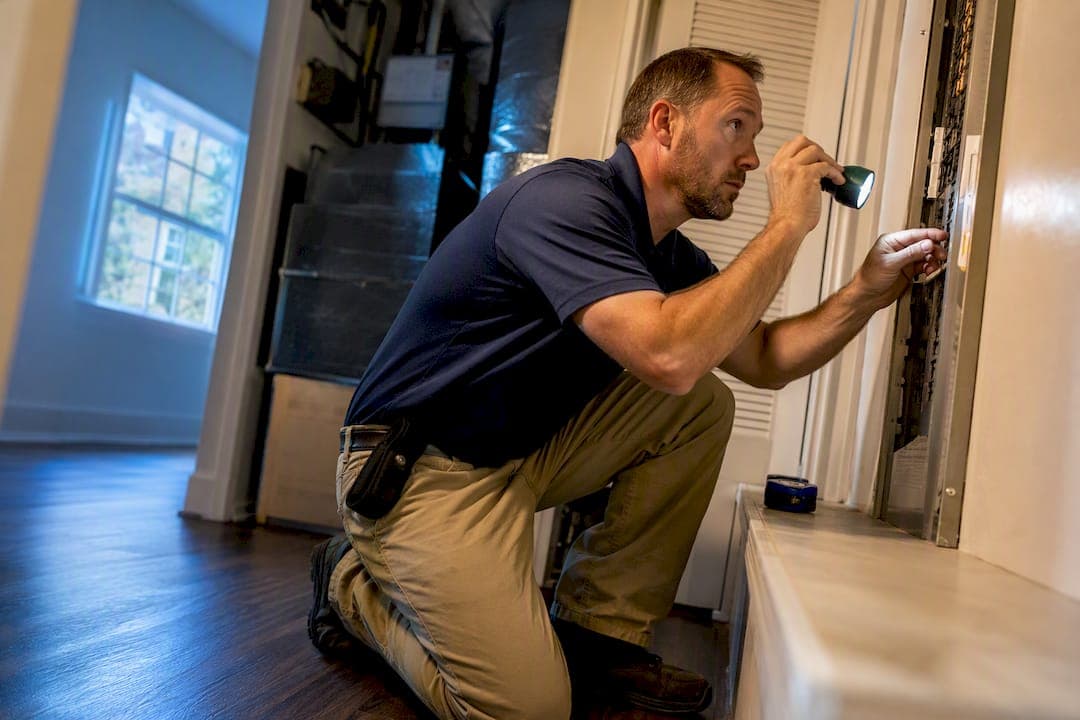
A four point inspection is a targeted review of your roof, electrical, plumbing, and HVAC systems, ordered by an insurer to decide whether a home qualifies for coverage. Florida carriers commonly require one when a house is roughly 20 years or older, though the exact trigger age varies by company. The findings can determine whether you get approved, get approved with conditions, or get denied, so it pays to confirm with your agent early whether your home falls into that window.
TL;DR:
- Most Florida insurers require a four point inspection for homes over roughly 20 years old, with some setting the threshold as low as 15 years.
- Common failure points include roofs over 15-20 years old without documented remaining life, outdated electrical panels, active water leaks, and polybutylene plumbing.
- The inspection must include photographs of the roof slopes, electrical panel, water heater, and exposed plumbing; missing images often cause delays or rejections.
- Inspection costs range from $75 to $300 and are valid for about one to a few months, depending on the insurer's policy.
- Only licensed Florida inspectors or contractors can perform the review, and it’s crucial to verify their credentials and familiarity with your carrier’s form beforehand.
Table of Contents
- What Does a Four Point Inspection Check in Florida?
- Who Needs a Four Point Inspection and When Do Florida Carriers Request One?
- What Fails a Four Point Inspection and How It Affects Your Coverage?
- How Much Does a Four Point Inspection Cost and How Long Is It Valid?
- Who Can Legally Perform a Four Point Inspection in Florida?
- What Happens on Inspection Day and How Should You Prepare?
- Coordinating Inspections With Financing and Closing
- How Lending Bankers Helps You Manage Inspection-Driven Delays
- Where to Verify Florida Inspection Rules and Forms
- Sources
- FAQ
What Does a Four Point Inspection Check in Florida?
A four point inspection looks at exactly four systems, and nothing else. That narrow scope is what separates it from a full home inspection, which also covers structural components, pest activity, and general condition. Underwriters want a snapshot of the systems most likely to cause a major claim, not a complete health report on the house, according to the Florida Office of the Insurance Consumer Advocate's inspection guide.
Here's what the inspector documents on each system:
- Roof: material type, age, visible damage, and estimated remaining useful life, with photos of every slope and side of the dwelling.
- Electrical: the main panel type and amperage, evidence of double taps, and any knob-and-tube or aluminum branch wiring, along with a photo of the open panel and its interior label.
- Plumbing: the water heater's age and manufacturer plate, visible leaks, pipe materials, and the condition of exposed valves.
- HVAC: unit age, a basic operational check, and a photo of the manufacturer's data plate.
Photos are not optional paperwork. Citizens and most private carriers require photographs of the open main panel, the panel with its cover removed, the water heater, exposed plumbing, and each roof slope, because underwriters rely on visual evidence as much as the inspector's written notes. A report missing even one required photo often gets kicked back for resubmission, which can stall a closing or renewal by a week or more.
Pro Tip: Ask your inspector to send you the photo set the same day. If your agent flags a missing image, you want time to schedule a follow-up visit before your rate lock or renewal deadline hits.
Who Needs a Four Point Inspection and When Do Florida Carriers Request One?
Age is the biggest trigger, but it is not the only one. Most Florida insurers start asking for a Florida home inspection of this type once a property crosses the 20-year mark, though some carriers set their own windows anywhere from 15 to 30 years depending on their underwriting appetite.
You will typically encounter a request for one of these reasons:
- You are buying an older home and applying for a brand-new policy.
- Your current policy is up for renewal and the carrier wants updated information, sometimes prompted by a prior claim.
- A previous inspection flagged deferred maintenance that the insurer wants re-checked.
- Your property sits in a coastal or high-hazard zone, where carriers screen more aggressively regardless of age.
Insurers use these reports strictly as underwriting tools to gauge insurability. They are not used to calculate your premium, according to the state's Insurance Consumer Advocate. That distinction matters when you are budgeting: passing the inspection protects your ability to get covered at all, separate from whatever your final rate turns out to be. Always ask your agent directly which threshold your specific carrier uses and how recent the report needs to be before you schedule anything.
What Fails a Four Point Inspection and How It Affects Your Coverage?
Four conditions cause the vast majority of failed reports: roofs older than 15 to 20 years with no documented remaining life, outdated or unsafe electrical panels, active water leaks, and polybutylene plumbing, according to Kin's breakdown of common failure points. Aluminum branch wiring is another frequent flag, particularly in homes built in the 1960s and 1970s.
When a report comes back with issues, your insurer generally responds one of four ways:
- Full approval if all four systems check out with no material deficiencies.
- Conditional approval requiring specific repairs within a set window, often 30 to 60 days.
- Modified coverage, such as a higher deductible or an exclusion on a particular peril.
- Denial, most common when the roof has no remaining useful life or the electrical system poses an active fire risk.
Remediation follows a predictable path. You hire a licensed contractor, get the repair done, keep the invoice, and schedule a re-inspection to confirm the fix. For aluminum wiring specifically, carriers often require certified repair methods like COPALUM or AlumiConn connections completed by a licensed electrician, not a simple patch job, based on Citizens' own inspection standards.
Pro Tip: Before you spend a dollar on repairs, call your agent and ask for your carrier's exact roof remaining-life threshold. Some insurers require five years minimum; others accept proof of a recent replacement invoice instead. Spending money on the wrong fix wastes both time and cash.
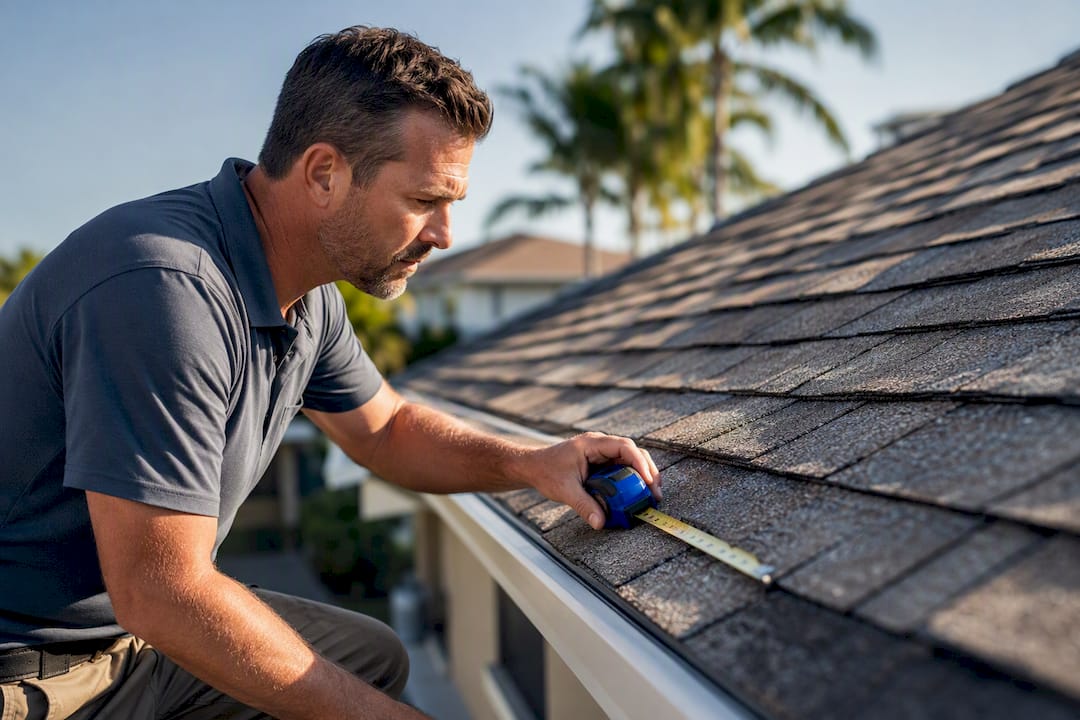
If you are managing a rental property and these systems keep coming up as red flags across multiple units, it is worth reviewing Florida landlord-tenant laws around aging infrastructure before your next renewal cycle.
How Much Does a Four Point Inspection Cost and How Long Is It Valid?
Standalone four point inspection cost in Florida typically runs $75 to $300, depending on the home's size, location, and whether the inspector bundles it with a wind mitigation report. Bundling often saves money compared to ordering each report separately, especially if you already need a wind mitigation inspection for a premium discount.
Validity windows are set by the carrier, not the state, and this trips up a lot of buyers on tight timelines:
- Many carriers accept a report dated within about a month of the policy effective date.
- Some carriers allow reports dated within a few months, but the acceptable window varies by insurer.
- No statewide rule standardizes this, so the Insurance Consumer Advocate's guidance points buyers directly back to their agent for the specific window.
If you are under contract to buy a home, order the inspection early in escrow rather than waiting until the week before closing. A report that expires before your policy binds forces you to pay for a second inspection, and that delay can push your closing date.
Who Can Legally Perform a Four Point Inspection in Florida?
Only a Florida-licensed home inspector or a licensed general, residential, or building contractor can sign off on a four point inspection report that insurers will accept. Florida law spells out the exam and licensing requirements in Florida Statutes §468.8313, which governs who qualifies to perform these reviews under the state's standards of practice.
You can verify any inspector's license status directly through myfloridalicense.com before you book an appointment. It takes two minutes and confirms the person showing up at your door is actually authorized to sign a report your insurer will accept.
Before you hire anyone, ask these questions:
- Are you licensed as a home inspector or contractor in Florida, and can I verify that number?
- Are you familiar with my specific carrier's form, such as the Citizens 4-point form?
- What is your typical turnaround time for the completed report and photos?
- Do you photograph every required item, including the interior panel label and each roof slope?
| What to check | Why it matters |
|---|---|
| License number | Confirms legal authority to sign the report |
| Familiarity with carrier form | Reduces rejected or resubmitted reports |
| Photo completeness | Prevents underwriting delays |
| Turnaround time | Keeps your closing or renewal on schedule |
Florida's Standards of Practice require inspectors to report observable deficiencies honestly, including systems nearing the end of service life, but they cannot offer a warranty or predict exactly when something will fail.
What Happens on Inspection Day and How Should You Prepare?
Preparation is straightforward, and most of it takes an hour or less. Before the inspector arrives, clear attic access, make sure the electrical panel isn't blocked by storage or furniture, expose the water heater and under-sink plumbing, and pull together any permit records for past roof or electrical work.
Here's the general flow once the inspector shows up:
-
The inspector walks the exterior first, photographing each roof slope and side of the house.
-
Inside, they open the main electrical panel, photograph the interior label, and check for double taps or outdated wiring.
-
They inspect the water heater's age plate and check visible plumbing for leaks or risky materials.
-
They check the HVAC unit's age and photograph its data plate.
-
The whole visit typically takes about an hour for an average single-family home.
After the report lands, send it to your agent immediately rather than sitting on it. If something needs repair, keep every invoice and photo you can gather, since underwriters want documented proof, not just your word, when you request re-acceptance after a fix.
Pro Tip: Take your own photos of any repair work before the contractor closes up walls or panels. If your carrier questions the fix later, your own documentation can speed up a re-inspection request.
Coordinating Inspections With Financing and Closing
Inspection timing and loan timing move on the same clock, and buyers who ignore that often hit closing delays they didn't see coming. Your lender needs proof of insurability before finalizing your loan commitment, which means the four point inspection has to clear before your insurance binder is issued, not after.
Loop in your mortgage advisor the moment an inspection flags a repair requirement. If the fix needs to happen before closing, options like a bridge loan or a hard money loan followed by a refinance can keep your timeline intact instead of losing your rate lock. Sometimes a single delayed panel upgrade can unravel a closing date if nobody tells the lender in time.
— David
How Lending Bankers Helps You Manage Inspection-Driven Delays
An insurer's repair requirement doesn't have to blow up your closing date, but it usually will if your financing isn't structured to absorb it. Some mortgage brokers work alongside Florida buyers and homeowners to line up loan options that flex around exactly this kind of timing pressure, whether that means a short-term bridge loan to cover urgent repairs or a plan to refinance once the work is done.
If your four point inspection came back with a required roof or panel upgrade, a hard money loan can fund the fix fast enough to keep your insurance binder on schedule, with a clear path to refinance out of it once the property re-inspects clean. Buyers weighing their broader loan options can also review our guide to Miami home loans for a fuller picture of what fits a specific timeline.
The next step is simple: talk to a mortgage advisor as soon as your inspection report comes back, before you commit to a repair schedule or a closing date that your financing can't actually support.
Where to Verify Florida Inspection Rules and Forms
For the official inspection form, see Citizens' 4-Point Inspection PL document. For underwriting guidance, consult MyFloridaCFO's inspection guide. To verify an inspector's license, use myfloridalicense.com.
Sources
- Citizens Property Insurance 4-Point Inspection PL
- Four-Point Inspection Guide — Florida Office of the Insurance Consumer Advocate / MyFloridaCFO
- Florida Statutes §468.8313 — Examinations and licensing (2025)
- What is a 4-Point Inspection? — Kin
FAQ
What Do They Check in a Four Point Inspection in Florida?
Inspectors document the condition, age, and visible deficiencies of the roof, electrical panel and wiring, plumbing system, and HVAC unit, with photos required for each system.
Can You Fail a Four Point Inspection in Florida?
Yes. Common fail conditions include roofs past their useful life, outdated or unsafe electrical panels, active leaks, and polybutylene plumbing, any of which can trigger repair requirements or denial.
Do Insurers Like Citizens Require a Four Point Inspection in Florida?
Citizens and many private Florida carriers require one for homes roughly 20 years or older, though the exact age threshold and acceptable report window vary by company.
Can You Get Homeowners Insurance Without a Four Point Inspection in Florida?
Newer homes often skip the requirement, but once a property crosses the carrier's age threshold, most insurers won't bind or renew a policy without a current report on file.
How Long Is a Four Point Inspection Report Valid?
Validity is set by the carrier, not the state, and many accept a report dated within about a month of the policy effective date, though acceptable windows vary by insurer.