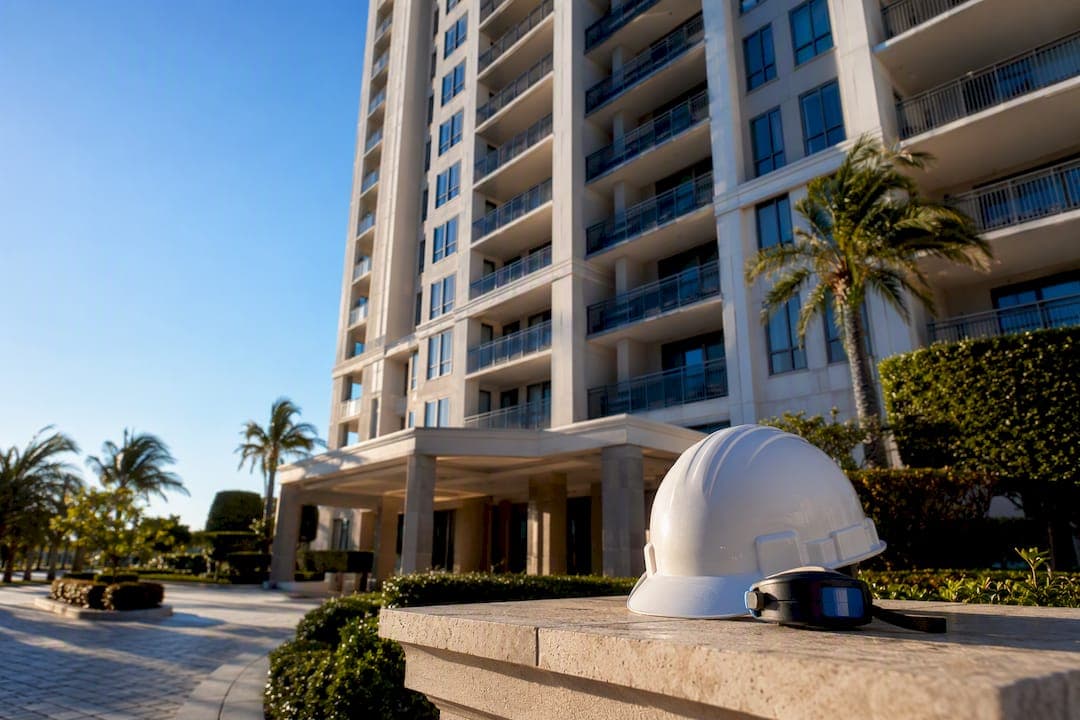
Yes, condo reserve levels in Florida can absolutely block your mortgage, even if you're personally well-qualified. Under 2026 Fannie Mae and Freddie Mac guidance, lenders now require far more Full Reviews of association finances, and reserve minimums are increasing toward a higher percentage of budgeted assessment income. Start your project-level due diligence the day you sign a contract, and know your backup financing options before you need them.
TL;DR:
- Reserve levels must meet higher thresholds with a larger percentage of assessment income to pass full project reviews under new Fannie Mae and Freddie Mac guidelines.
- Falling short on reserve funding can result in loan denial, higher down payments, or delays, especially when association documentation is incomplete or outdated.
- Buyers should request HOA budgets, reserve studies, insurance policies, and delinquency reports immediately after signing a contract to identify potential financing issues early.
- Alternative financing options, such as bridge or portfolio loans, can enable closings if the project fails lender review but may come with higher rates and shorter terms.
- Prompt investor engagement and contingency management are critical because project remediation or recertification timelines can extend beyond typical contract periods.
Table of Contents
- What Lenders Review on Condo Projects and Why Reserves Matter
- How Reserve Shortfalls Affect Loan Denials, Down Payments, and Timelines
- What to Request From the HOA and When
- Remedies When a Condo Project Fails Lender Review
- How Lending Bankers Mortgage Approaches These Cases
- Protect Your Closing Before Reserve Problems Surface
- Sources
What Lenders Review on Condo Projects and Why Reserves Matter
Your mortgage approval and your building's approval are two separate decisions, and Florida buyers often learn this the hard way. You can have a 780 credit score, a clean debt-to-income ratio, and a signed preapproval letter, and still watch a deal collapse because the condominium association itself doesn't meet lender standards. Legal guidance for Florida buyers makes this distinction explicit: project ineligibility can sink financing regardless of how strong the borrower looks on paper.
For years, many condo purchases moved through a Limited Review, a lighter documentation path that skipped much of the deep financial digging. That pathway is largely gone. Fannie Mae's LL-2026-03 lender letter pushes most transactions into Full Review, which means underwriters now dig into the association's budget, its reserve study or Structural Integrity Reserve Study (SIRS), insurance coverage, and delinquency reports before your loan can close.
A few reserve metrics carry outsized weight in that review:
- The reserve line item as a percentage of annual budgeted assessment income, expected to increase toward a higher threshold for many Full Review applications.
- How the funded reserve balance compares to what the SIRS or reserve study recommends, since a wide gap signals deferred maintenance risk.
- Whether the association still relies on baseline funding methods that let reserves approach zero between assessments, a practice Fannie Mae guidance no longer accepts when a reserve study is the basis for approval.
- Delinquency rates above 15% of units, unresolved milestone inspection findings, missing insurance documentation, or an active evacuation or construction order tied to structural repairs.
Any one of these can flag a project as ineligible under conventional guidelines, even in buildings that sailed through limited review a year or two ago.
How Reserve Shortfalls Affect Loan Denials, Down Payments, and Timelines
When a condo project fails lender review, you generally face one of three outcomes: denial of the conventional loan, a shift to non-warrantable financing with tougher terms, or a delay while the association fixes its paperwork. None of these are pleasant surprises to discover during a 30-day closing window.
Roughly 40% of condo purchases previously moved through the Limited Review path, according to industry estimates cited by mortgage professionals tracking the 2026 rule changes. That share is shrinking fast as Full Review becomes the default, which means a much larger slice of Florida condo buyers will now hit project-level scrutiny they never had to clear before.
Here's how lenders typically respond when reserve funding falls short:
- Outright denial on conventional terms. If the SIRS shows serious deferred maintenance and the reserve fund covers only a fraction of it, most conventional lenders will decline the project rather than the borrower.
- Overlay conditions instead of denial. Some lenders will approve the loan with a higher down payment, a rate adjustment, or added reserves held by the borrower, though this only works when the underlying project risk is moderate rather than severe.
- Referral to non-warrantable or portfolio financing. When conventional financing is off the table entirely, buyers pivot to portfolio loans, hard-money bridge loans, or lender-specific exceptions, usually at a higher rate and shorter term.
Timing matters as much as the outcome. A Full Review typically adds real processing time compared to the old limited path, and if the association needs to remediate a documentation gap, expect that process to run weeks to months rather than days. If your purchase contract has a 21 or 30 day financing contingency, that clock can expire long before the HOA produces a corrected budget or a re-certified reserve study.
What to Request From the HOA and When
The single biggest mistake Florida condo buyers make is waiting for their lender to discover project problems instead of digging for them the moment they go under contract. Request these documents immediately, ideally within the first three business days:
- The current adopted association budget, showing the reserve line item as a dollar amount and a percentage of total assessment income.
- The most recent reserve study or Structural Integrity Reserve Study, with component-by-component funding levels and the inspection schedule behind it.
- Bank statements or written confirmation of actual reserve account balances, since a budget line doesn't always match what's actually funded.
- Current insurance declarations pages for the master policy, including wind and flood coverage.
- A delinquency report showing what percentage of units are behind on assessments.
- Board meeting minutes from the last 12 months and any milestone inspection or engineering reports.
- Records of any special assessments, pending litigation, or recent waivers of reserve contributions.
Pro Tip: Ask specifically whether the board has ever voted to waive or reduce reserve funding in the past three years. A waiver history is one of the fastest ways to spot a building that's been kicking the can down the road, and it's a detail rarely volunteered without a direct question.
Florida contract timelines don't pause for slow property managers; buyers should act promptly to manage inspection or financing contingency periods while awaiting HOA paperwork. Ask your agent to request an extension in writing the moment you sense delay, and direct requests to the management company first, copying the board president if there's no response within 48 hours.
Remedies When a Condo Project Fails Lender Review
A failed project review isn't automatically a dead deal. You have real options, roughly in order of how fast they can be executed.
- Use bridge financing to close on schedule. A hard money loan or portfolio loan can close despite project ineligibility, though expect higher rates and a shorter term designed to be refinanced once the building is remediated.
- Negotiate contract terms. Exercise your financing or inspection contingency to request a price credit, an escrowed repair fund, or seller-funded reserve contributions that offset the shortfall.
- Push the HOA toward re-certification. Boards can often clear a Fannie Mae or Freddie Mac flag by completing outstanding repairs, documenting a funded reserve plan, and resubmitting the required project questionnaire, though this realistically takes weeks to months.
- Know when to walk. If the SIRS shows major structural work with no funding plan and the board shows no urgency, your financing timeline likely won't survive the wait. That's usually the signal to release the contract and look elsewhere.
Buyers weighing hard-money as a bridge should also understand the exit path back to conventional terms once the building clears review.
How Lending Bankers Mortgage Approaches These Cases
We see this pattern often across Miami and greater Florida: a buyer preapproved on paper, then stalled by a building's paperwork. Our sequence starts with document triage, pulling the budget and reserve study side by side with your contract deadlines, then coordinating directly with the lender on what Full Review will actually require. At your first consult, bring your contract, preapproval letter, and whatever HOA documents you already have. From there, we help you weigh conventional financing against alternative paths before your contingency window closes.
— David
Protect Your Closing Before Reserve Problems Surface
A building's reserve shortfall shouldn't be the reason your Florida home purchase falls apart, and it doesn't have to be if you get ahead of it. We work with Miami and Florida condo transactions regularly, so we have experience with common SIRS gaps and delinquency red flags that arise in Full Review, and are familiar with lenders who consider projects with such issues.
Bring us your contract, your HOA document list, and your closing deadline, and we'll tell you honestly whether conventional financing is realistic or whether a bridge loan makes more sense while the association catches up. If your building's numbers are already causing hesitation from your current lender, start with our guide on overcoming loan approval challenges for Miami home loans, then reach out for a consult so we can review your specific project documents and timeline before your contingency period runs out.
This article is general information, not a substitute for advice from a qualified financial advisor. Consult a qualified financial professional about your own circumstances before acting on anything here.
Sources
- Condo buyers face new mortgage rules under Fannie Mae, Freddie Mac
- Fannie Mae lender letter (LL-2026-03) and project review guidance
- Florida Condo Financing Rules: What Buyers Must Know